Following the Supreme Court’s Dobbs decision in 2022, Idaho enacted one of the nation’s strictest abortion bans. Since August 2022, Idaho has enforced its trigger ban, prohibiting abortion at all stages of pregnancy, with exceptions to save the life of the pregnant person and for survivors of rape and incest who have reported the incident to law enforcement.
The consequences of the ban go beyond abortion access. More than one-third of Idaho’s OB-GYNs have stopped practicing obstetrics, left the state, or retired as a result of the ban. An recent study examined the distribution of the remaining care options. Of the state’s OB-GYNs who practice obstetrics, 151 (85%) are concentrated in the seven most populated counties. In the remaining 37 counties, only 23 OB-GYNs provide obstetric care to a population of 569,000 people, leaving rural communities with fewer options for pregnancy and maternity services. In these areas, family medicine physicians are playing an increasingly important role in providing obstetric care, often in addition to their already full workloads.
Idaho’s midterm election ballot included Proposition 1, the Reproductive Freedom and Privacy Act, which proposed expanded access to abortion, contraception, fertility treatment, miscarriage management, prenatal and postpartum care, as well as protections for healthcare providers. However, 56% of voters rejected the measure, leaving the state’s current restrictions intact.
Proposition 1 is part of a growing wave of state-level reproductive health ballot measures introduced since the overturning of Roe v. Wade. During the 2022 election, there were six state-level abortion-related ballot measures. In 2024, that number increased to eleven, and in this year’s election, there were four. Three of the four states that voted on expanding or protecting abortion access—Missouri, Virginia, and Nevada—favored preserving the right to abortion care. Idaho, however, maintains its restrictive stance on abortion access.
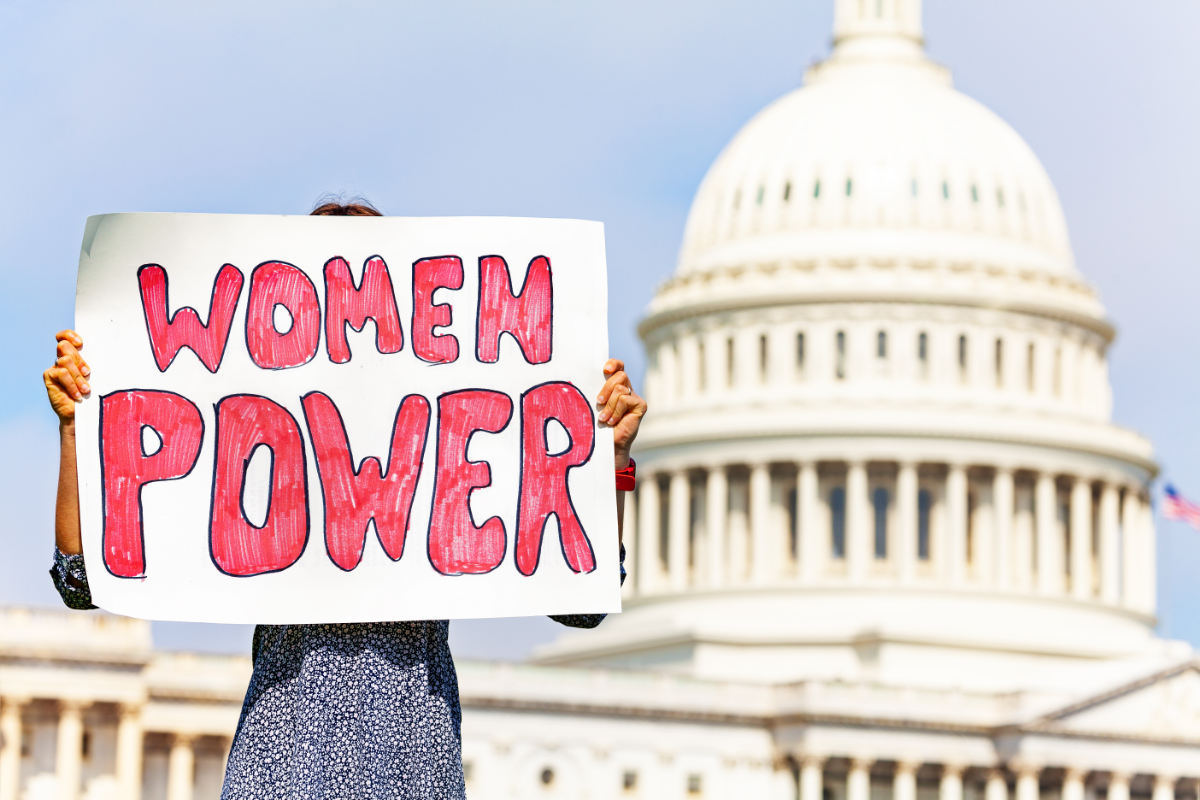
The midterm elections are a reminder that decisions affecting women’s healthcare aren’t made only in Washington. However, the recent election results also signal a positive shift. A record number of women—159—have been elected to Congress for 2027, including women with backgrounds in science, medicine, and public health. Women also made historic gains at the state level. Fifteen women won gubernatorial races in 2026, bringing the total number of women governors nationwide to at least 17 in 2027—another record high. This new wave of women in the legislative branch will hopefully bring greater visibility to reproductive health priorities and broader women’s health issues.
Elections aren’t the only time to advocate for women’s health rights. The National Conference of State Legislatures offers a free state bill tracking tool, and GovTrack is a great resource for monitoring activity at the federal level (you can even set up email alerts for specific topics!). Stay in touch with your state’s elected officials and make sure your voice is heard. The future of women’s healthcare depends on our participation.
