
Hormones influence nearly every aspect of women’s health, from sleep, mood, and metabolism to reproductive and cognitive function. The list is long. However, understanding hormonal changes – especially for women experiencing perimenopause – isn’t a straightforward process.
A single blood test may offer a snapshot of what’s happening with a woman’s hormone levels at a given point in time, but it doesn’t always account for fluctuations that may indicate a health concern or the root cause of a woman’s symptoms.
The good news? Emerging technologies are promising to make it easier to track hormones. Wearable sensors, at-home testing kits, and digital health platforms are making hormone tracking more accessible.
The question? Does continuous hormone monitoring actually improve women’s health – or does having more data create more questions?
Why One Hormone Test May Not Be Enough
Traditional hormone testing (think: a blood test during a doctor’s visit) measures levels at a single point in time. While useful in certain clinical situations, these tests may not capture the changes that occur throughout a woman’s day or menstrual cycle.
Capturing hormone fluctuations is particularly relevant during perimenopause, when estrogen and progesterone levels can vary considerably. A woman experiencing hot flashes, disrupted sleep, or mood changes may have normal hormone levels when tested despite her visible symptoms.
A benefit to tracking hormonal patterns over time is the potential to provide a more complete picture of women’s hormonal health.
The Rise of Continuous Hormone Monitoring
Several emerging technologies are exploring new ways to measure and interpret hormonal changes.
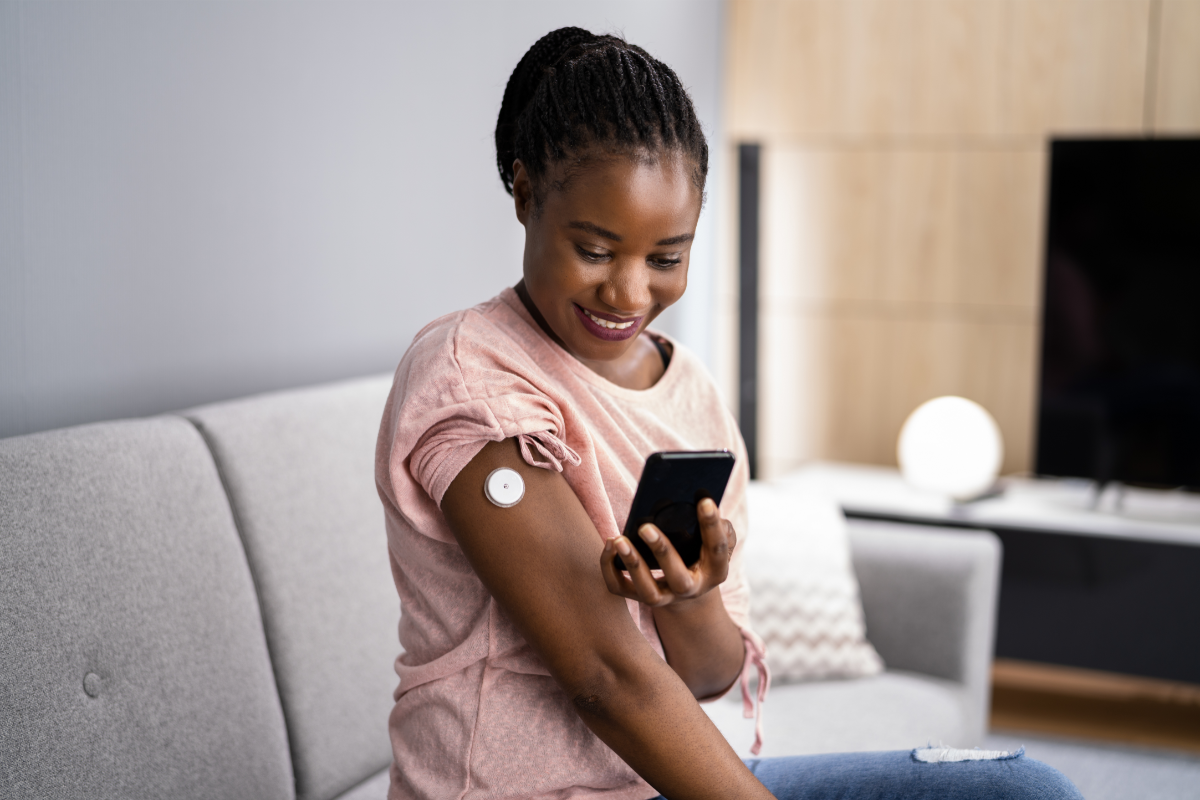
- Wearable hormone sensors – These are devices designed to measure hormones through sweat or interstitial fluid, and they have the potential to allow women to track certain hormonal changes without repeated blood draws. The Peri wearable is a great example of innovation in this space. To learn more about how wearables work, check out Episode 23 of our podcast for our interview with the Peri CEO.
- At-home hormone testing – Saliva, urine, and finger-prick blood tests allow women to measure hormones outside traditional clinical settings, often by receiving testing kits in the mail (check out: Everlywell and Labcorp OnDemand). Some companies provide repeated measurements, but they aren’t necessarily continuous.
- Digital health platforms – Apps like The Balance App and Midi Health can combine hormone test results with menstrual cycle information, symptoms, sleep, and activity data to help women identify patterns.
- AI-powered health tools – Artificial intelligence could help analyze large amounts of health data, potentially identifying relationships between hormonal fluctuations and symptoms that might otherwise go unnoticed.
While these technologies offer promising possibilities, their accuracy and clinical usefulness vary depending on the health need. Measuring a hormone is not the same as understanding what its constant changes mean for a woman’s health.
When Having More Data Can Create More Anxiety
Continuous monitoring may raise more questions than it answers. Hormone levels naturally fluctuate, but seeing those changes in real time could lead women to interpret normal variations as signs of a bigger problem.
Frequent notifications, confusing results, and unexplained changes may contribute to health anxiety rather than improve understanding and quality of life. There’s also the risk of making treatment decisions based on measurements that haven’t been clinically validated.
Privacy is another consideration. Hormonal and reproductive health data is highly personal, making it important to understand how digital health companies collect and protect that information.
From More Data to Better Care
The real value of continuous hormone monitoring isn’t how much information a device can collect – it’s whether that information can improve healthcare decisions.
Monitoring may eventually help women identify patterns, better understand symptoms, and have more informed conversations with their medical providers. Such was the case with one of our former podcast guests, Molly Downing, whose glucose monitoring efforts helped lead to her PCOS diagnosis. For clinicians, it could offer additional insights into hormonal changes and treatment responses.
These new health technologies are encouraging, but more research is needed to establish which technologies are accurate and how to leverage these tools to improve health outcomes.
Women don’t necessarily need to monitor every hormonal fluctuation. They need reliable information that helps them understand their bodies and make informed healthcare decisions.
The future of women’s digital health isn’t simply about collecting more data. It’s about making that data meaningful to women’s quality of life.
